KRIS LEWIS, PhD

Projects

Funded research, current and completed. Student-led fellowships are marked with the student’s name.

Click a topic below to sort projects by theme.

Active

7 projects
ResilienceModeling

EcoCARE: an ecological–economic collaboratory for coastal wetland restoration and resilience

NSF collaborative research linking ecological and economic models to guide coastal wetland restoration.

Co-PI · 2026–2030National Science Foundation · $4,000,000
Read the URI news story ↗
Fisheries

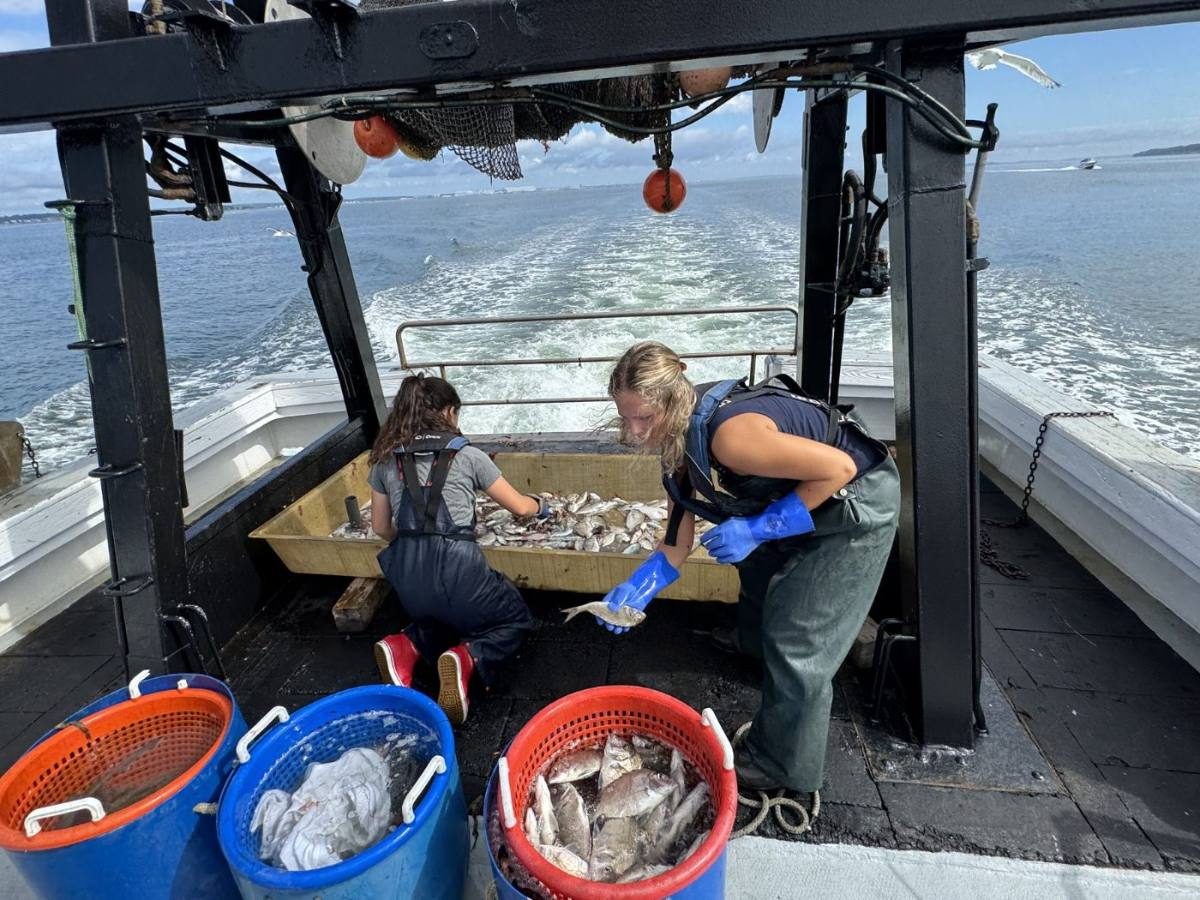
GSO Fish Trawl

Keeping the URI GSO weekly fish trawl — a ~60-year time series — running and usable.

PI & Director · 2025–2029RI DEM through US Fish and Wildlife Service · $292,500
Visit the GSO Fish Trawl site ↗
Resilience

Northeast Community Climate Resilience Incubator

Building regional capacity for community-driven climate resilience in the Northeast.

PI · 2025–2027URI VPRED · $600,000
Fisheries

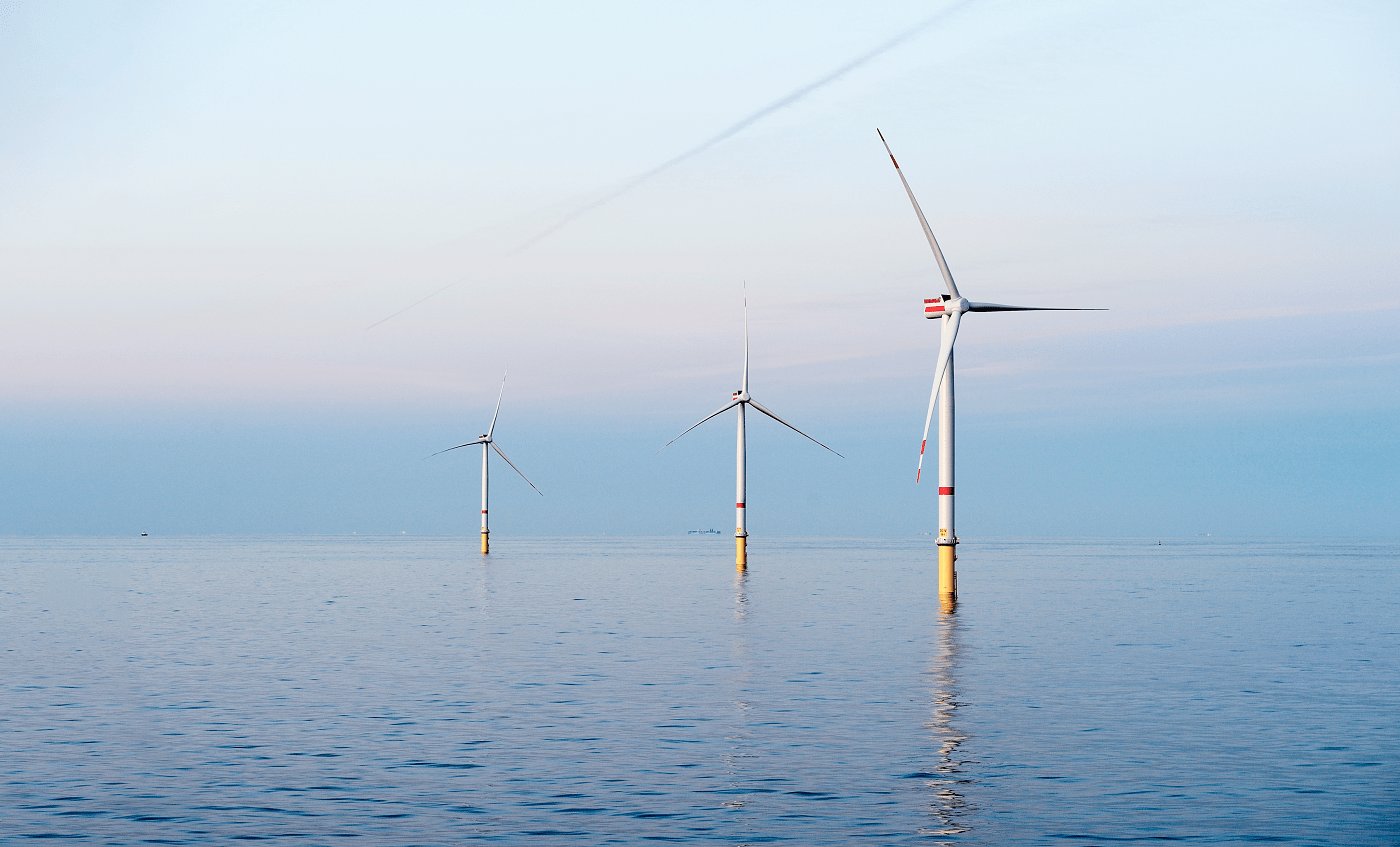
Recreational fishing and offshore wind in the US Northeast

Opportunities and challenges of offshore wind development from the perspective of the recreational fishing sector.

Co-PI · 2024–2027Northeast Sea Grant Consortium & NOAA NEFSC · $375,180
Water Quality

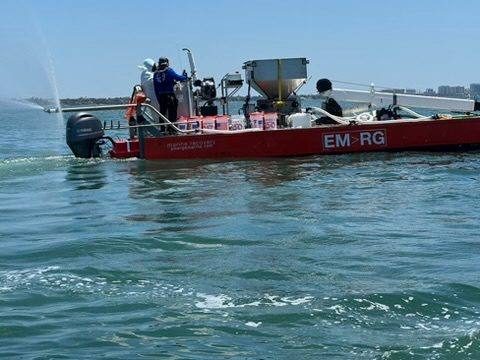
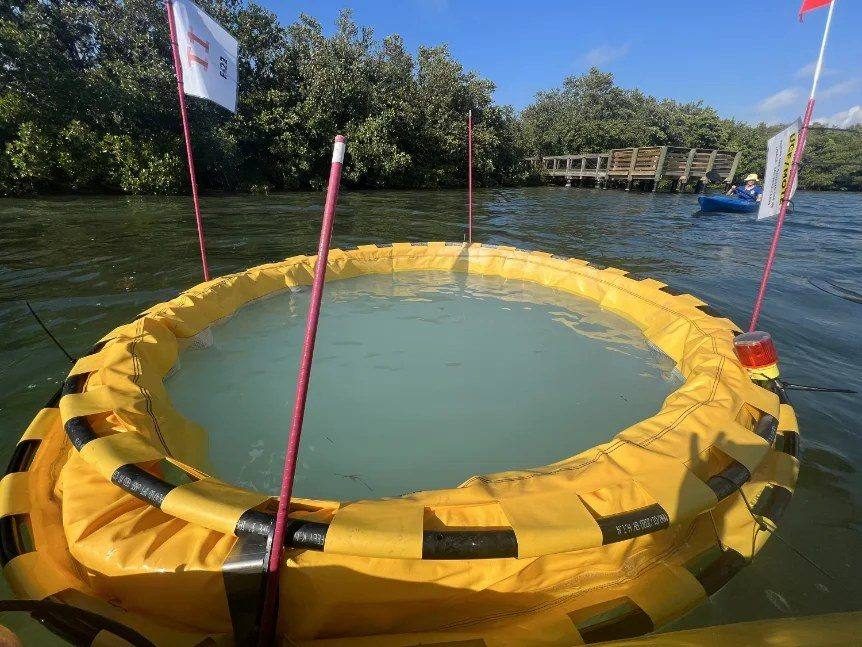
First US field deployment of GC.03 clay for Karenia brevis mitigation

Evaluating a new clay formulation for red tide mitigation in the field.

PI · CurrentMote Marine Laboratory, Red Tide Initiative · $25,000
Water Quality

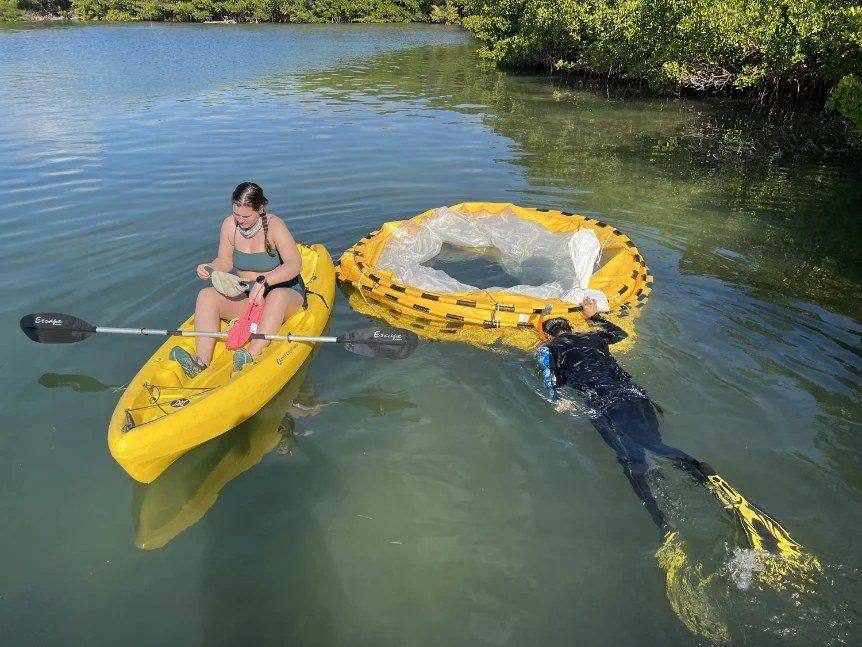
PCMHAB20: Clay flocculation for removal of Karenia brevis cells and toxins

Application of clay flocculation to remove red tide cells and toxins in Southwest Florida coastal waters.

Co-PI · 2021–2026NOAA NCCOS PCMHAB · $2,397,085
Education

National Academies Gulf Scholars Program

Preparing undergraduates to work on Gulf Coast challenges across disciplines. Place-based funding retained at UCF.

PI · 2022–2027National Academies Gulf Research Program · $450,000
Visit the UCF Gulf Scholars program ↗

Completed

15 projects
Water Quality

Long-term water quality in the Narrow River, RI

Using GIS to evaluate long-term changes in water quality. Student-led with Katherine Thompson.

Advisor · 2024–2025The Nature Conservancy / URI Student Research Award · $8,000
Water Quality

Double Indemnity for Karenia: modifying clay for improved cell and toxin removal

Modified clay formulations for better removal of red tide cells and toxins.

Co-PI · 2023–2025Mote Marine Laboratory · $325,000
Modeling

Letting the past inform the future: reconstructing deep-time coastal food webs

Advanced stable isotope analysis to reconstruct historical food webs. Fellowship to Michelle Shaffer.

Advisor · 2023–2024NOAA Florida Sea Grant · $25,000
Water Quality

Florida red tide control: stakeholder input and benthic surveys

Combining stakeholder input and benthic surveys to evaluate the impacts of clay flocculation.

PI · 2022–2024NOAA Florida Sea Grant · $280,307
ModelingResilience

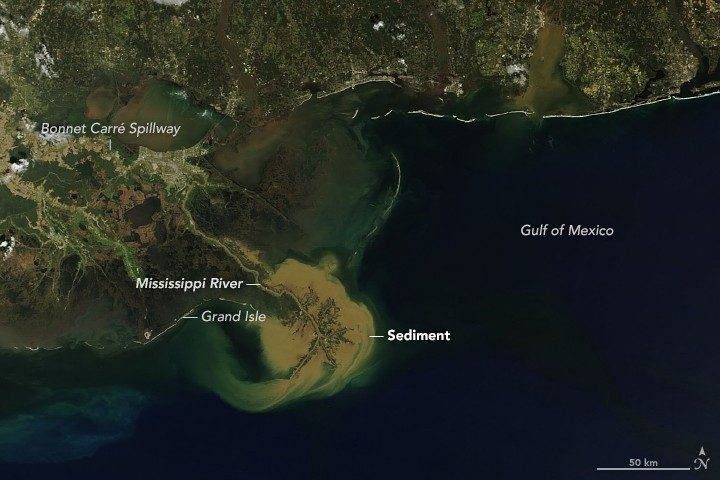
From planning to adaptive management: riverine inflows in the northern Gulf

Natural resource decision making in response to the allocation of riverine inflows.

Co-I · 2021–2023NOAA NCCOS · $124,926
Resilience

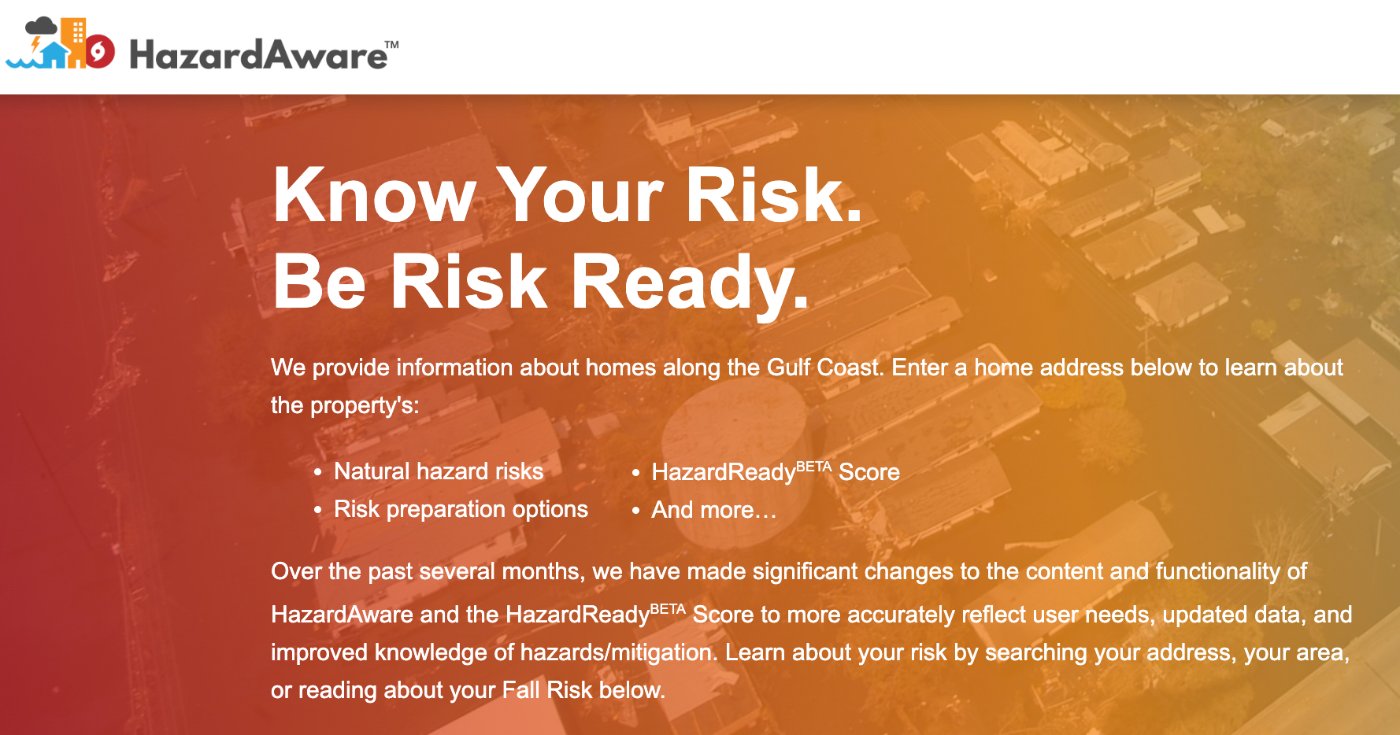
The New First Line of Defense: residential risk disclosure

Building community resilience through residential risk disclosure on the Gulf Coast.

Co-PI · 2019–2023National Academies Gulf Research Program · $3,403,554
Explore HazardAware.org ↗
Water Quality

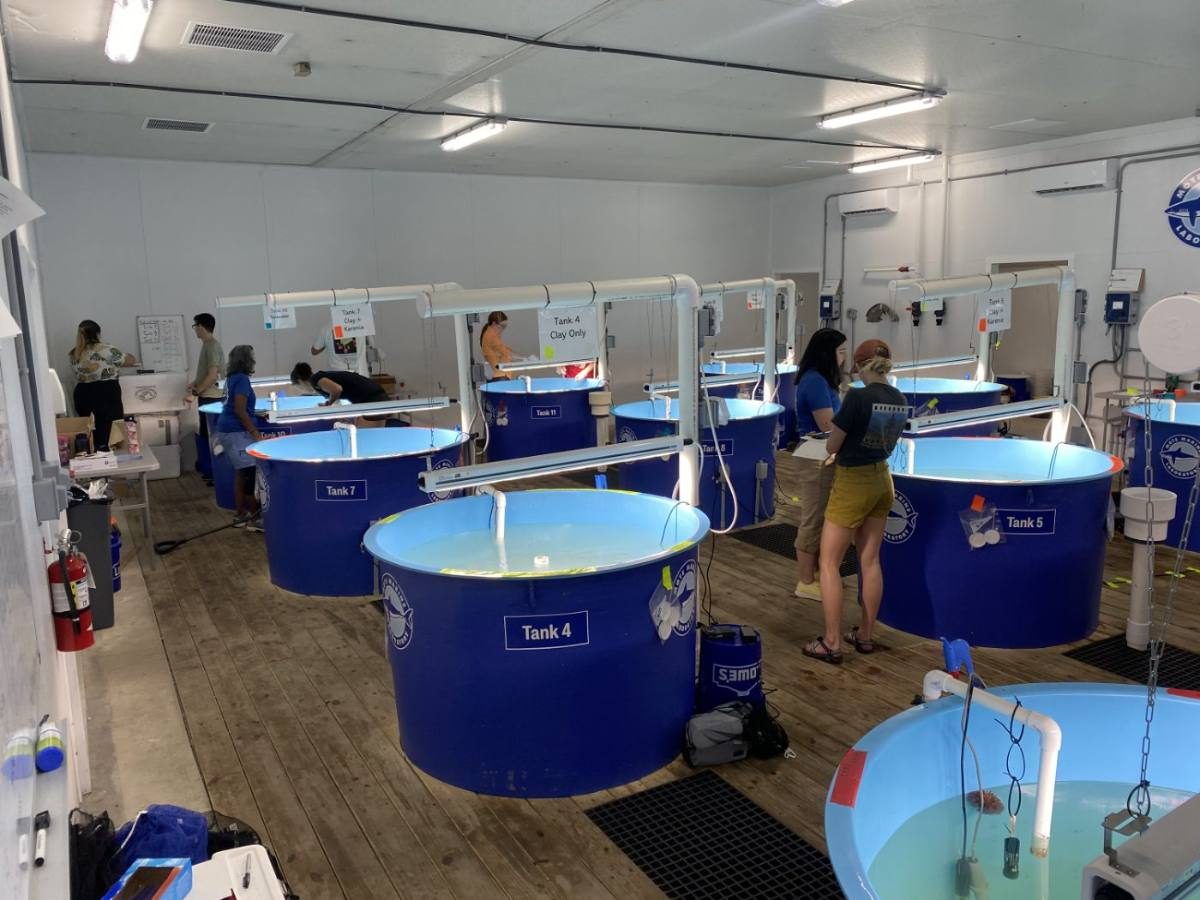
Fate and effects of Karenia brevis cells, toxins and nutrients after clay application

Mesocosm and field work on what happens after clay is used for bloom control.

Co-PI · 2020–2023Mote Marine Laboratory · $249,978 + $249,863
FisheriesResilience

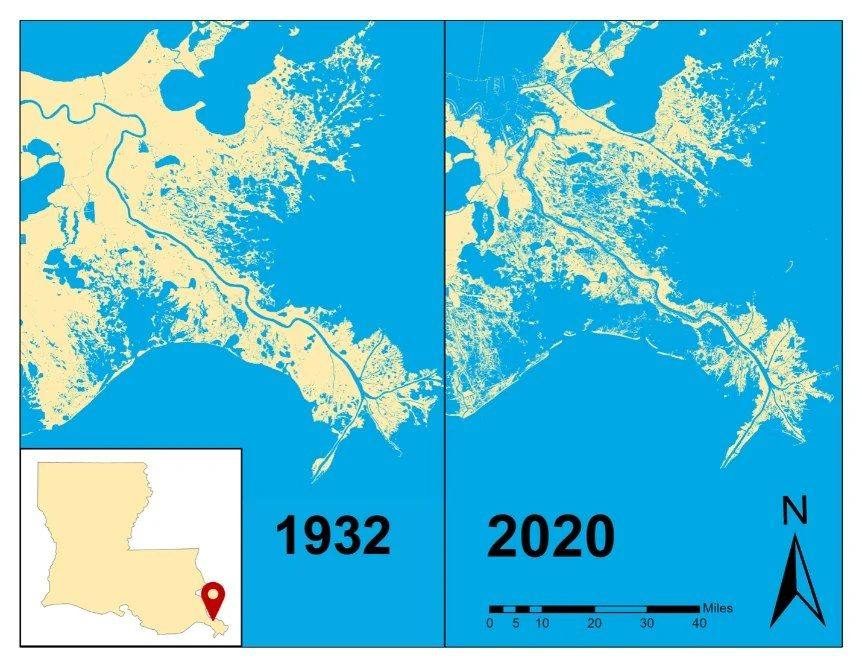
Panacea or Pandora’s box: coastal restoration and recreational fishing livelihoods

Coastal restoration and recreational fishing livelihoods in Louisiana salt marshes.

Co-PI · 2020–2023National Academies Gulf Research Program
Modeling

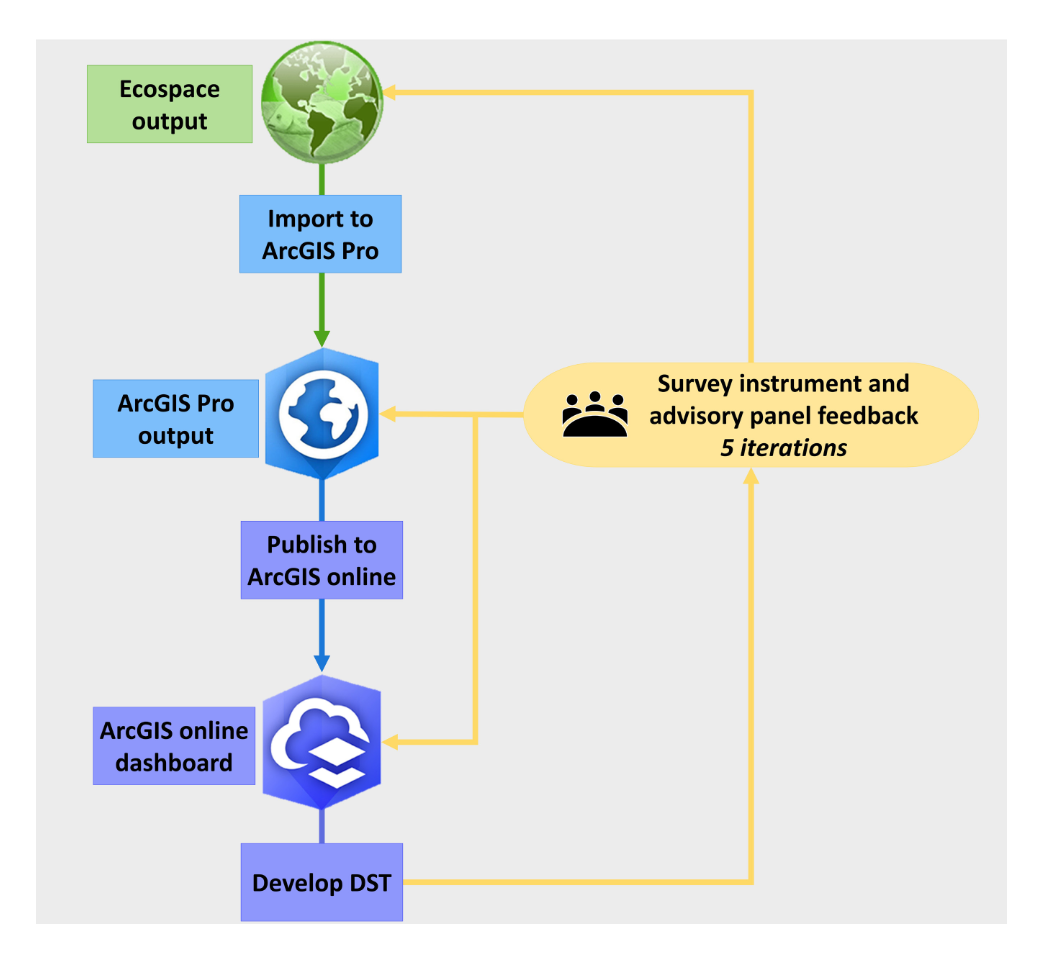
User-driven predictive tools for nutrients, hypoxia and living resources

Ecosystem models and a co-produced decision support tool for hypoxia reduction goals in the Gulf of Mexico.

Co-PI · 2016–2022NOAA NCCOS · $851,838
Modeling

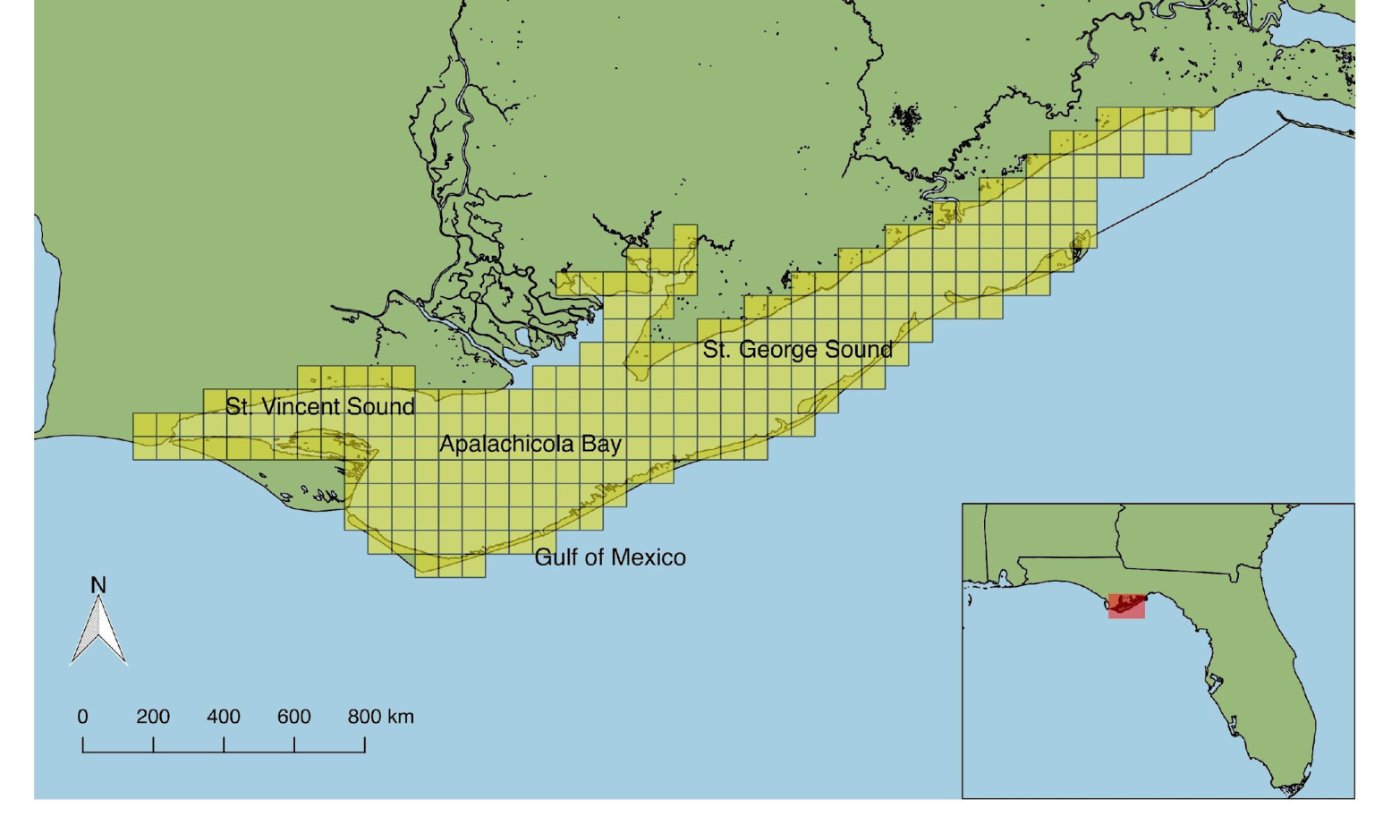
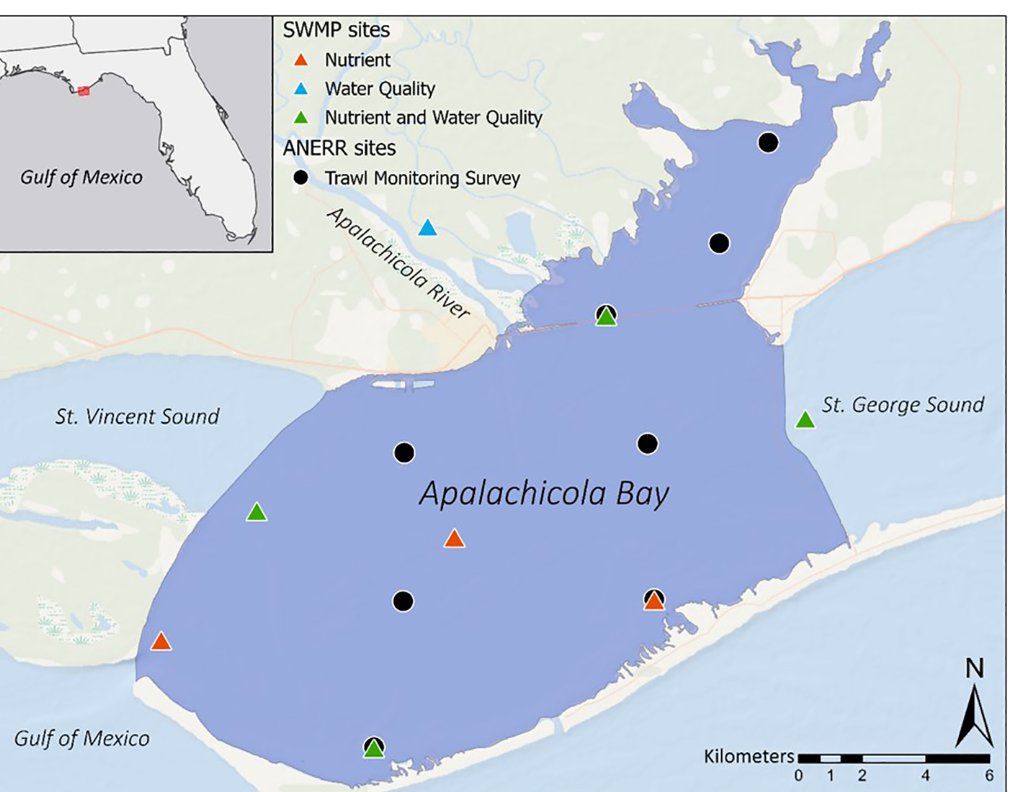
Changing salinity regimes and the Apalachicola Bay food web

Food web modeling of freshwater reduction and sea level rise. Fellowship to Kira Allen.

Advisor · 2020–2022NOAA Margaret A. Davidson Graduate Fellowship · $116,000
Modeling

Modeling lagoon ecosystem health over deep time in tropical Mexico

Convergent research methods linking archaeology and ecosystem modeling.

Co-PI · 2020–2022UCF Seed Funding · $46,905
Fisheries

Drought effects on Apalachicola Bay forage fish

Short- and long-term drought effects on forage fish and the food web. Fellowship to Kira Allen.

Advisor · 2021–2022Pew Charitable Trusts & Florida FWC · $14,950
Fisheries

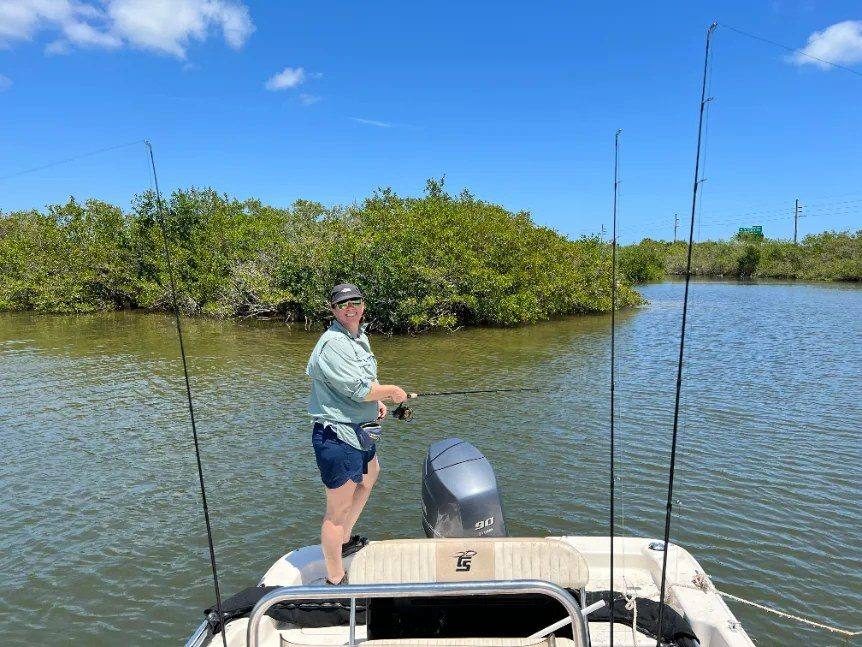
Indian River Lagoon essential fish habitat, forage fish and predators

Spatial-temporal trends in seagrass habitat and fish. Fellowship to Michelle Shaffer.

Advisor · 2019–2020Pew Charitable Trusts & Florida FWC · $15,000
Modeling

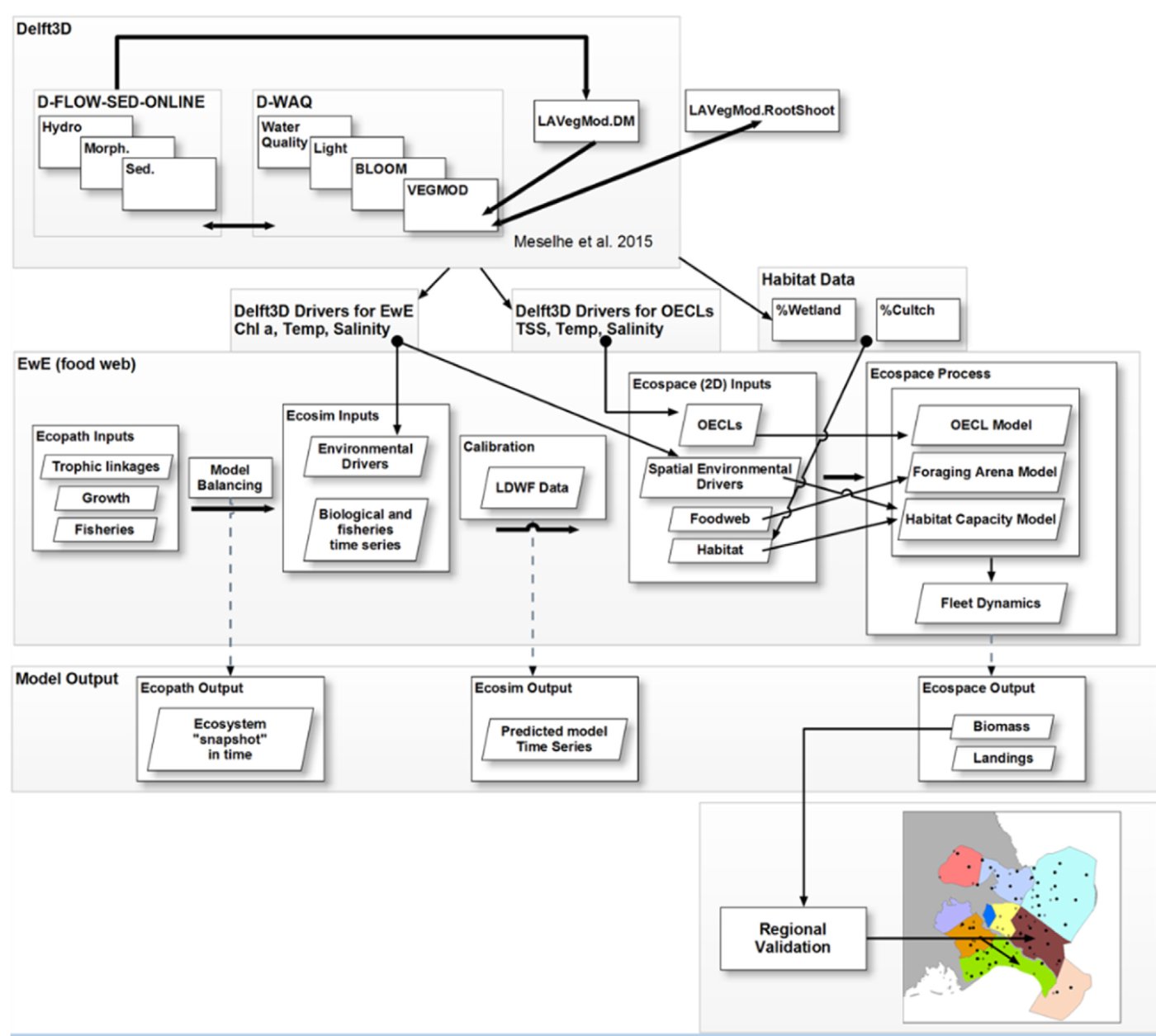
2017 Louisiana Coastal Master Plan: fish and shellfish model

Model development and application for the state’s coastal master plan.

Co-PI · 2015–2017The Water Institute of the Gulf · $131,759
Modeling

Delta Management Ecosystem Modeling

Fish and shellfish ecosystem model for Louisiana delta management decisions.

Co-PI · 2014–2016The Water Institute of the Gulf · $194,613